Injective Staking ETF Prospectus Shows Zero Slashing, 1.10% Fee
Injective staking ETF INJC carries a 1.10% fee, a 30% rewards split and a zero slashing setting that Injective governance can change, its SEC prospectus says.
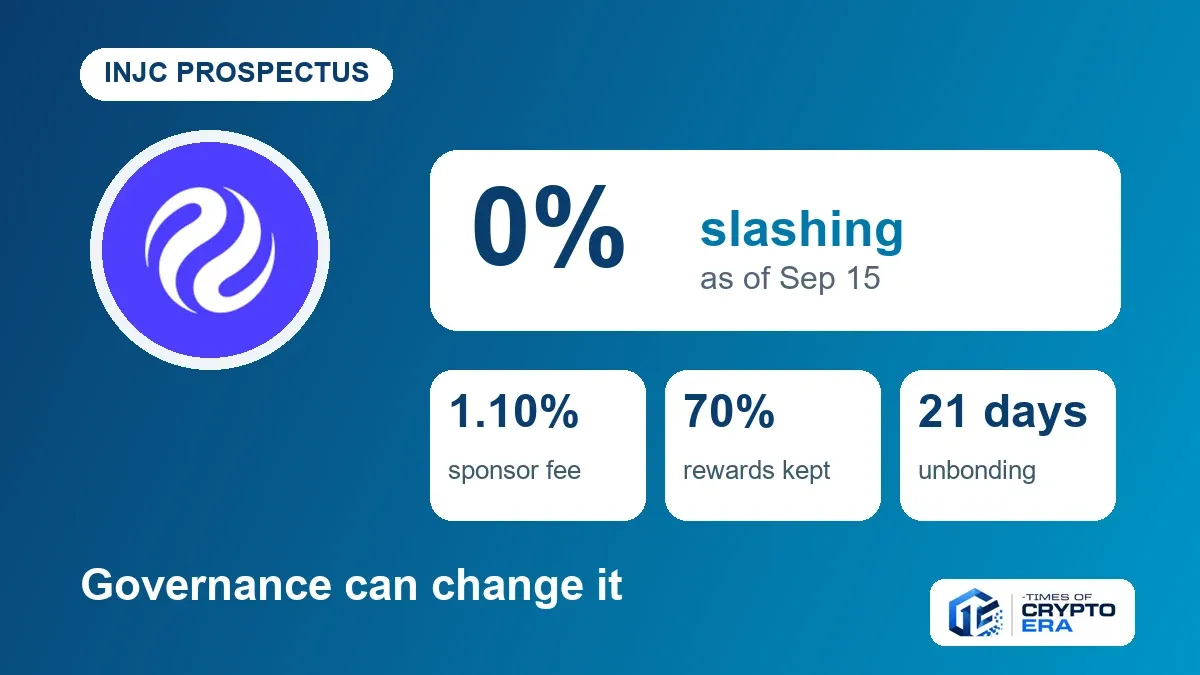
Injective staking ETF holders face a penalty rule worth reading before buying. The Injective staking ETF filing is plain about it. According to the fund's own prospectus, the Injective network currently takes nothing from stakers who get a validator penalized.
Canary Capital announced the Staked INJ ETF, ticker INJC, on November 6 on Nasdaq. Its prospectus was filed with the SEC on November 4. It says the network's slashing parameters were zero for both double-signing and downtime as of September 15.
A misbehaving validator is still jailed and loses its rewards. A double-signer is permanently barred. What it does not lose is the staked INJ itself, at least under the settings the filing describes. Those settings are not fixed.

The prospectus passage on slashing. Source: SEC filing, Canary Staked INJ ETF 424B3.
Injective staking ETF costs: 1.10% plus a rewards split
The trust pays its sponsor an annual fee of 1.10% of its INJ holdings. The fee accrues daily in INJ and is paid monthly, in INJ or in cash. Canary may waive some or all of it for set periods, though it has no duty to.
Staking adds a second layer. The sponsor expects at least 90% of the trust's INJ to be staked under normal conditions, through one or more staking providers running validators. Staking fees are expected to total 30% of rewards, so the trust keeps 70%.
If those rewards fall short of the sponsor fee and other costs, the filing admits something. The INJ behind each share will shrink over time. That happens whether the share price rises or falls.
The seed money is disclosed as well. Injective Foundation has indicated it will buy up to $15 million of shares at $25.00 each, paid in INJ. That works out to 600,000 shares, or 60 baskets of 10,000. The foundation also gave the sponsor $225,000 toward fees and expenses.
Governance can change the slashing rule
The filing says the slashing parameters, the liveness threshold and the jailing period are set through Injective network governance. They can change "at any time" without the consent of the trust or its shareholders, and without notice to either. A higher penalty would apply to the trust's staked INJ automatically.
The same page notes that the network has had no major, publicly reported slashing incident affecting a significant share of validators since inception. That is history, and the rule beyond today is a vote.
Injective staking ETF liquidity: locked tokens, 45 validators
Staked INJ cannot move at once. The prospectus says undelegated tokens enter a 21-day unbonding period, during which they earn nothing and cannot be transferred. Switching validators is instant.
That matters because the fund must meet redemptions. Canary's liquidity policy allows credit lines, including its own, as backup. Redemptions can be paid in INJ or in cash, and BitGo Bank & Trust holds the tokens and the private keys for any staked INJ. The sponsor says it will post the staked percentage each trading day on canaryetfs.com.
The same filing puts the active validator set at 45 as of September 15. Zero slashing and a short validator list are facts about the network today, and a governance vote could change the first one.
The trust is not registered under the Investment Company Act of 1940, so shareholders lack the protections that come with registered funds. Anyone weighing the Injective staking ETF should read the fee and slashing pages first.
Related News
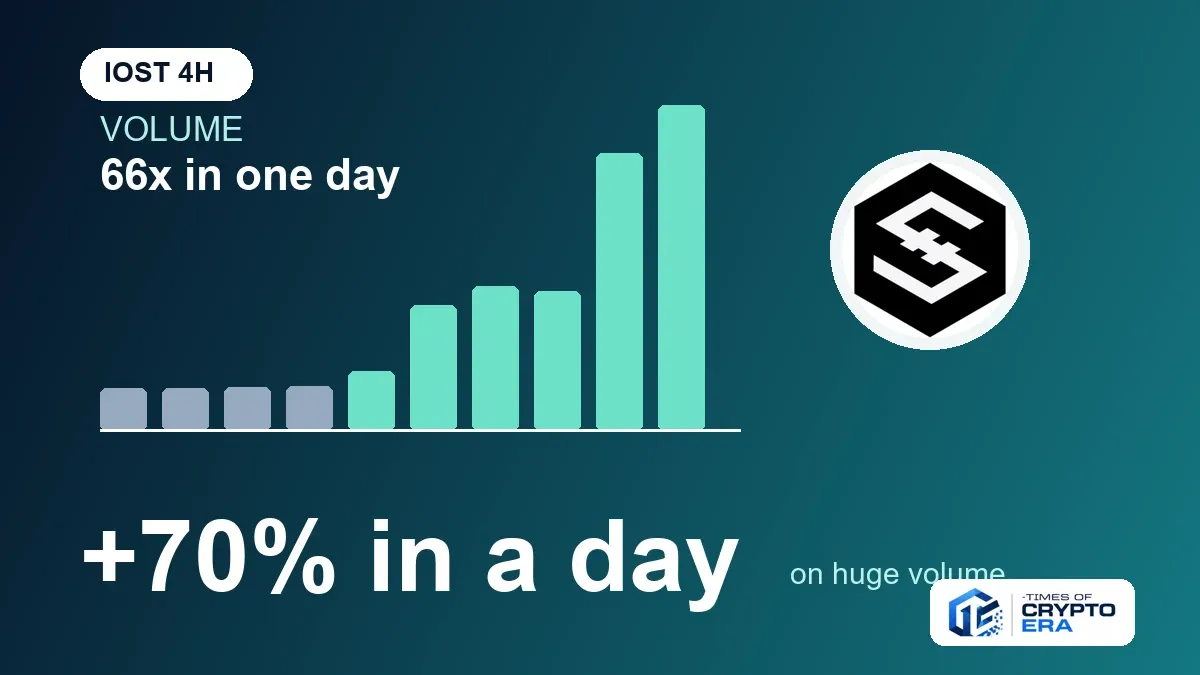
IOST Price Analysis: Volume Jumps 66x As IOST Climbs 70%
IOST price analysis after the October 19-21 surge: huge volume, a staircase of higher 4h closes near $0.00127 and two scenarios taken from closed candles.
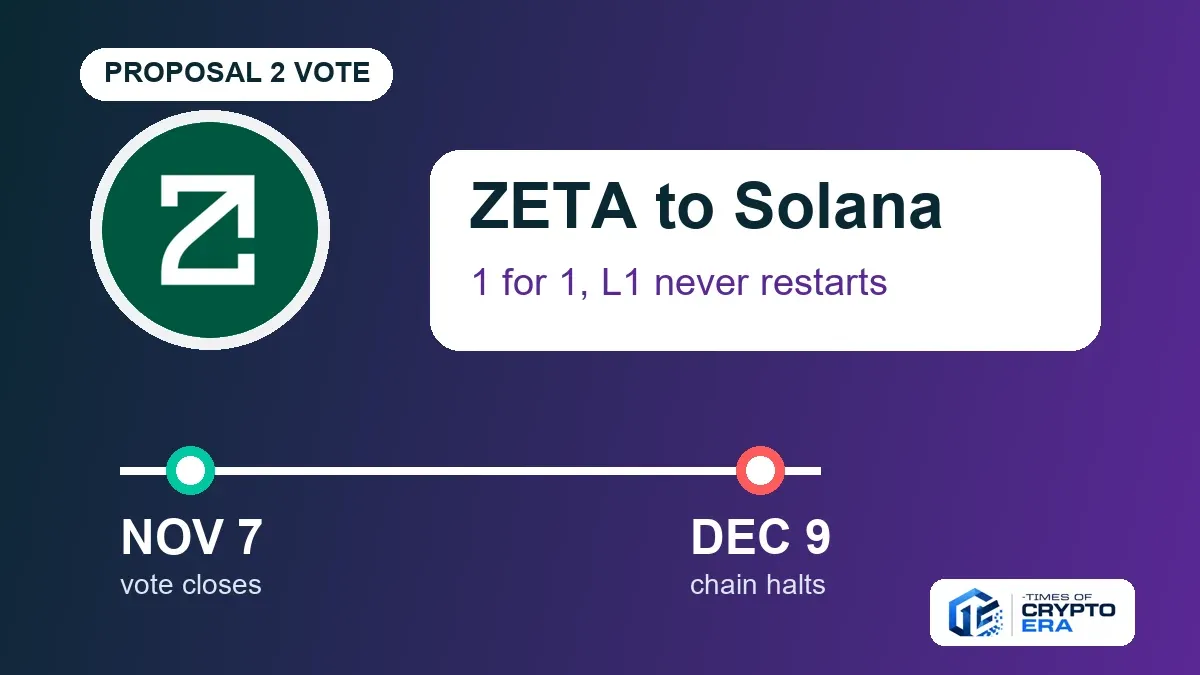
ZetaChain Halt Set For Dec 9 As ZETA Moves To Solana
ZetaChain halt is planned for December 9 if holders pass Proposal 2, which moves ZETA to Solana one for one and ends staking rewards at that snapshot.
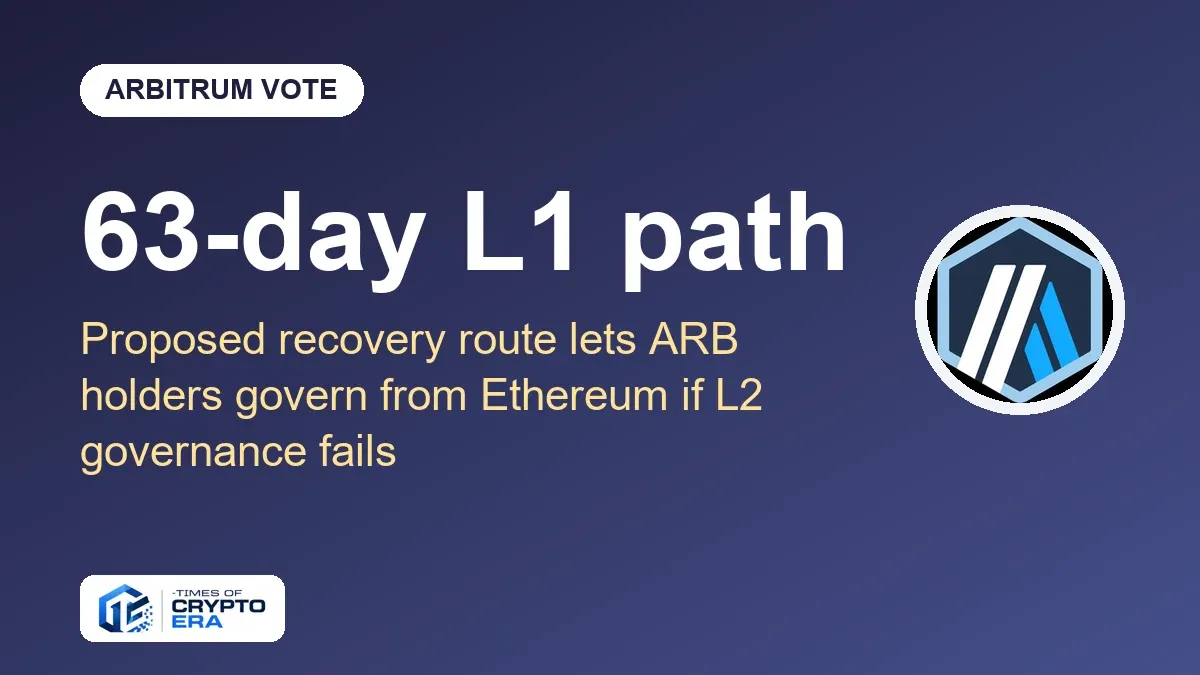
Arbitrum L1 Recovery Path Adds Up To 63 Days Of Delays
Arbitrum L1 recovery: Offchain proposes an Ethereum route for DAO votes, with 17, 21 and 25-day delays. Snapshot is 99.96% for, and delegates want more detail.
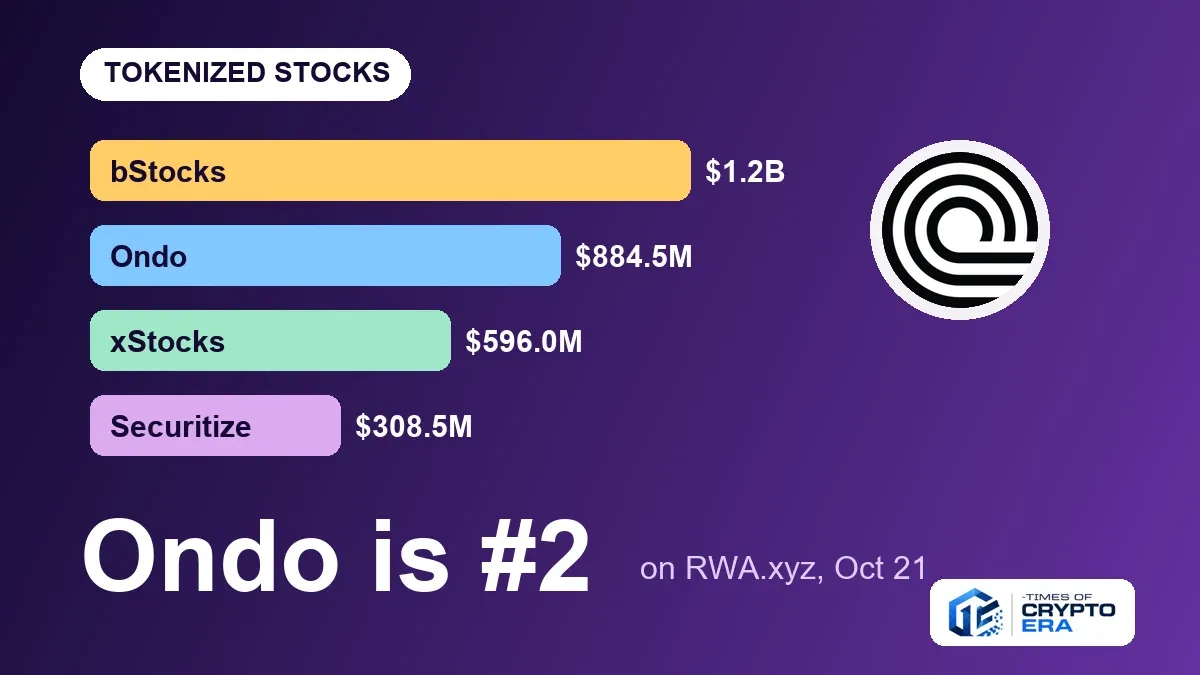
Ondo Stocks On Solana Reach 1inch, But Issuer Rankings Differ
Ondo stocks on Solana reached 1inch on October 20. RWA.xyz data on October 21 ranks Ondo second among tokenized-stock issuers, not first as the post says.