Safe Harbor For State Stablecoin Issuers: Six Senators Ask Treasury
A safe harbor for state issuers is what six senators asked Treasury for on Nov 18, 2026. See the OCC parity point, the 2027 review and what stays open.
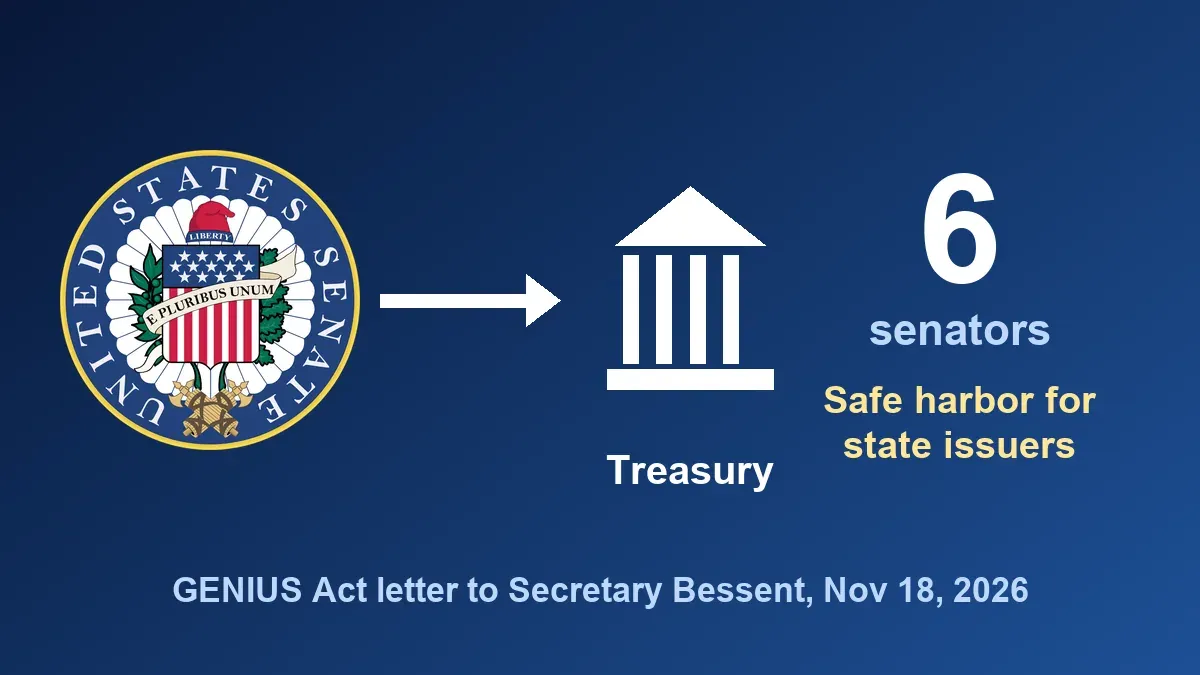
Six Senators from the US have written a letter to the Treasury Secretary Scott Bessent dated 18th November 2026, in which they have requested that state-regulated stablecoin issuers receive the same safe harbor under the GENIUS Act that Treasury proposed for issuers regulated by the OCC.
Who signed the safe harbor letter
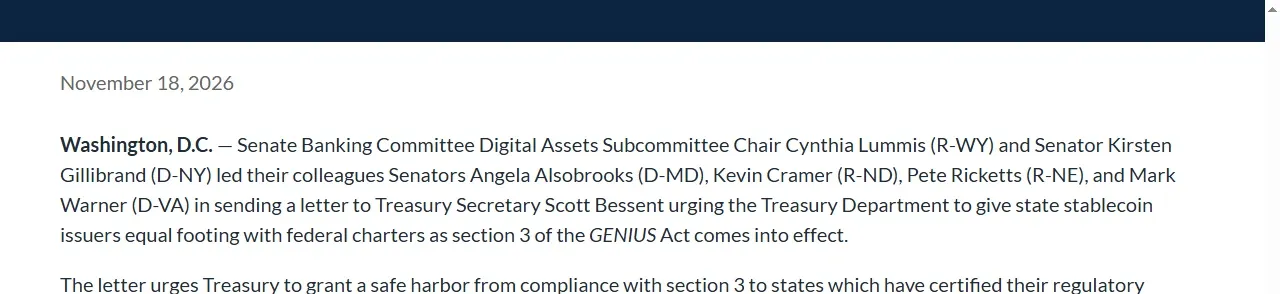
Press release from the office of Senator Cynthia Lummis, dated November 18, 2026. Source: Senator Lummis.
The main people spearheading this campaign were Republican Senator Cynthia Lummis, the chairperson of the Digital Assets Subcommittee under the Senate Banking Committee, and Democrat Senator Kirsten Gillibrand from New York State. Other Senators who have signed this letter include Senator Angela Alsobrooks from Maryland, Senator Kevin Cramer from North Dakota, Senator Pete Ricketts from Nebraska, and Senator Mark Warner from Virginia.
As per the press release, the letter requests for equitable treatment of the issuers of stablecoins at the state level as section 3 of the GENIUS Act takes effect.
The safe harbor request
What follows is quite simple. The senators are trying to provide states, which have certified their regimes as "substantially similar" to federal law, protection under Section 3 while the Stablecoin Certification Review Committee reviews those certifications in 2027.

The paragraph describing the safe harbor request. Source: Senator Lummis.
The letter highlights the existence of a precedent, a safe harbor granted to issuers supervised by the OCC in the regulation proposal issued by the Treasury Department. “Parity with the OCC,” as noted in the release, is important in having a dual banking system.
Wyoming, New York and Nebraska
The letter asserts that there was always an expectation from the Congress that some of the states would meet the criteria. According to the release, Congress explicitly envisioned Wyoming, New York, and Nebraska as substantially similar to federal law, since these states got an expedited certification process under GENIUS Section 4(c)(7).
The senators wrote that Treasury must allow issuers to choose between state and federal charters "without the risk of business disruption or uncertainty."
The state or federal choice inside the law
The press release includes additional information on the statute. The GENIUS Act enables issuers that have issued $10 billion or less of outstanding stablecoins to be supervised under a state regime if such a regime is substantially similar to the federal regime. Some issuers operating in particular states, such as Wyoming, which already have digital asset regimes are not required to submit to federal supervision after reaching $10 billion.
The Special Purpose Depository license was established by Wyoming in 2019. The release calls it a fully reserved and state-controlled environment for digital asset companies. Lummis helped write the GENIUS Act and wanted states like Wyoming to remain meaningful partners in stablecoin regulation.
A request, not a rule
It is important to keep in mind that the letter constitutes a request, rather than an instruction. While the release itself does not provide information on whether the Department of Treasury replied, nor does it state the deadline for promulgating a final rule, the safe harbor that the senators suggest would only be relevant in case the Department actually includes such provision in its final rulemaking document.
In respect to state-chartered issuers, the issue of timing is key - the Section 3 comes into force and the certification process lasts until 2027, thus, the very gap that the letter is trying to fill exists.
People who pay attention to stablecoin policies can wait for the promulgation of a final rule by the Department of Treasury and see whether the provisions regarding safe harbor for states resemble OCC's version.
Related News
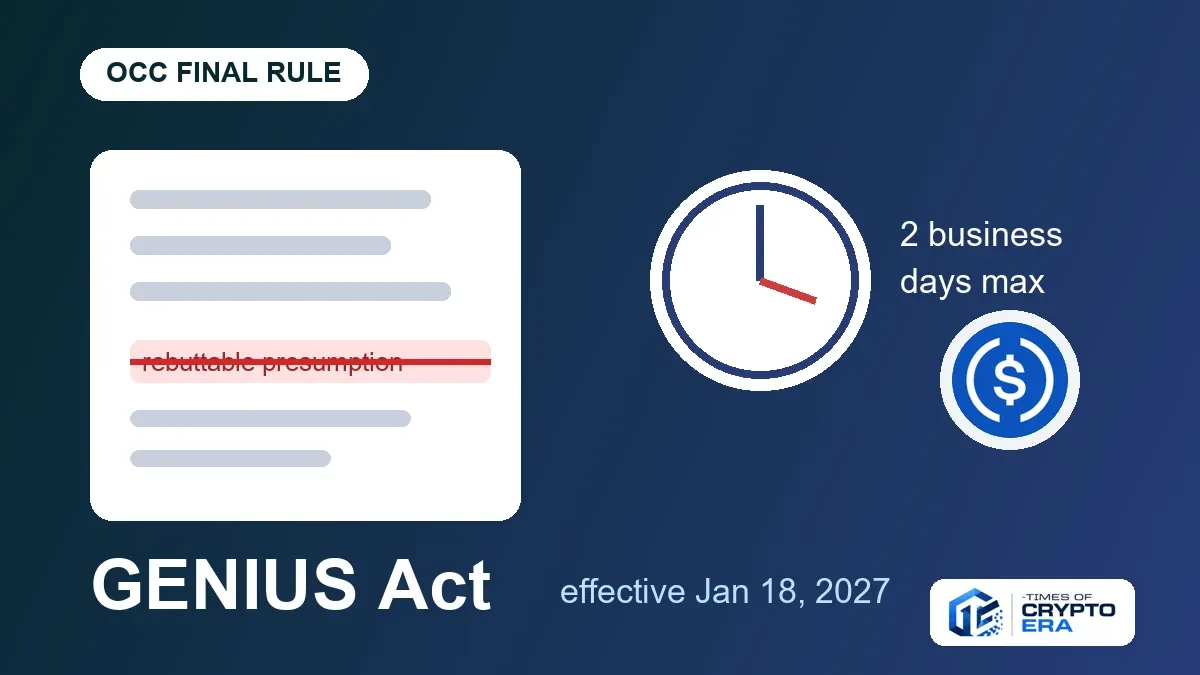
OCC GENIUS Act Rule Drops Yield Presumption, Keeps Two-Day Redemption
The OCC GENIUS Act rule is now final: it drops the proposed yield presumption, keeps a two-business-day redemption cap and takes effect January 18, 2027.

Fed Asks for Public Comment on Two Stablecoin Issuer Proposals
The Federal Reserve Board opened a 60-day comment period on two GENIUS Act proposals covering reserves, capital and applications for Board-supervised stablecoin issuers.
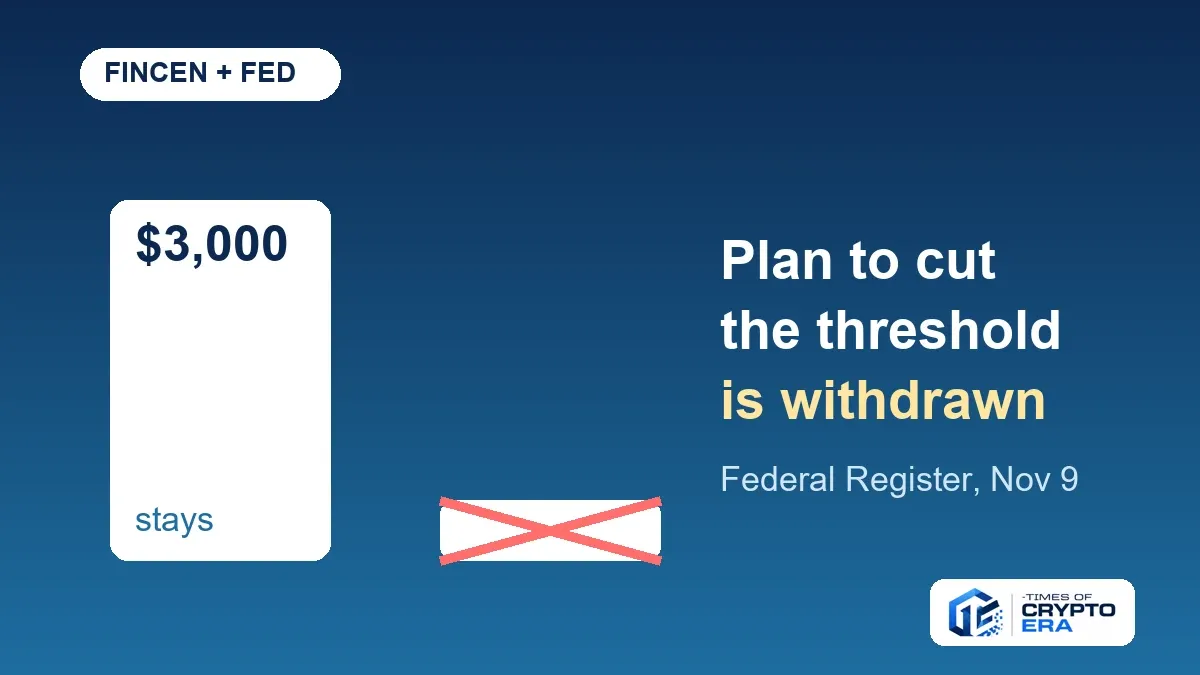
FinCEN Travel Rule Threshold Stays At $3,000 As $250 Plan Ends
FinCEN travel rule threshold stays at $3,000 after FinCEN and the Federal Reserve withdrew their 2020 plan to cut it to $250, a Federal Register notice says.

401(k) Rule On Alternative Assets Reaches White House Review
The 401(k) rule from the Labor Department reached White House review on November 5, and its March proposal names digital assets among alternative assets.