EU Crypto Sanctions Task Force Launches Without Size Or Powers
EU Crypto Sanctions Task Force was announced on November 6, but the European Commission statement gives no members, budget, start date or legal powers.
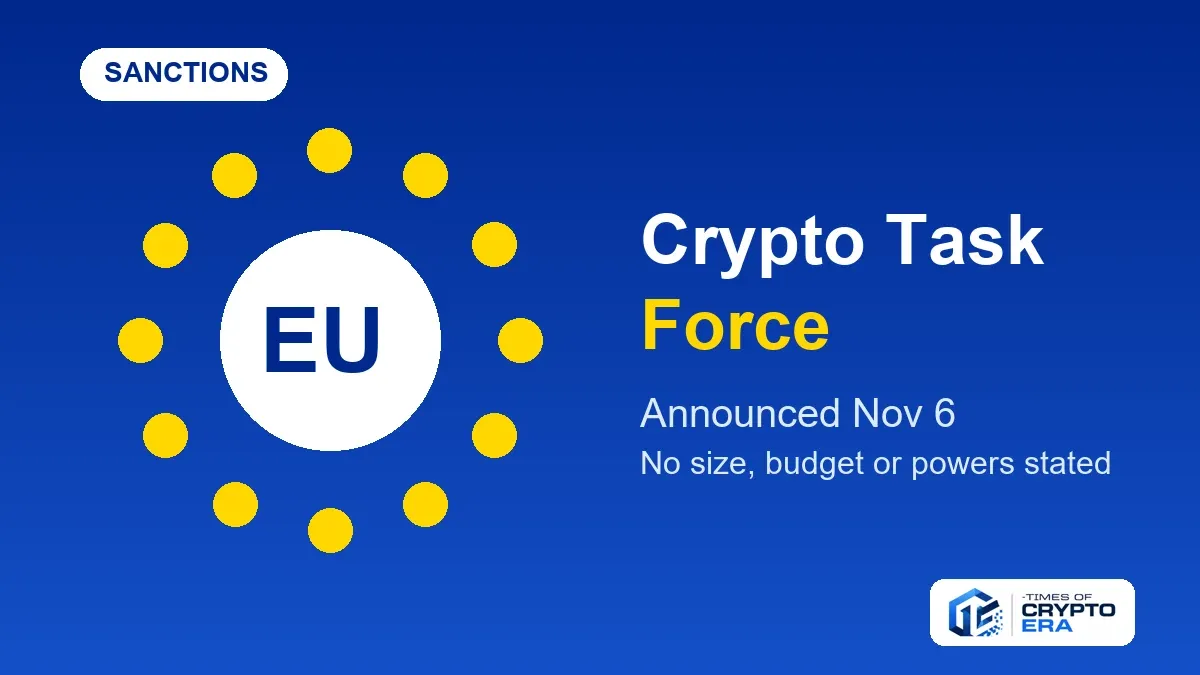
The EU Crypto Sanctions Task Force exists, and the Commission has said very little else about it. Commissioner Maria Luís Albuquerque announced the launch on November 6, the day after hosting the tenth meeting of the High-Level Group on Union Restrictive Measures.
Her statement gives a purpose and no numbers at all. It names no members, no budget, no start date for investigations and no legal powers. The text says the group will strengthen the capacity "to detect and tackle attempts to circumvent EU financial sanctions through crypto assets."
What the EU Crypto Sanctions Task Force announcement says
The preview of November 5 said the morning session would look at emerging threats. One example it gives is the use of crypto assets to circumvent sanctions. The European Anti-Fraud Office, OLAF, was due to present too. Its topic was sanctions circumvention.
The follow-up statement then turned that discussion into an announcement. Albuquerque calls the field technically complex and rapidly evolving. She adds that the EU "will not allow new technologies or third-country jurisdictions to become safe havens for sanctions evasion."
Those two lines carry the policy. Nothing says if the group is permanent, how often it meets or who leads it. No platform or token is named as a target. It reads like a pledge. The working details come later, if at all.
The Commission frames the task force effort as one part of wider enforcement. It points back to the 21st sanctions package, adopted by the Council on July 23. The task force came 106 days after that package. The preview adds that Russian growth slid from 4.9% in 2024 to 1% in 2025. Sanctions get part of the credit.
Task force context: the meeting and the US side
A second statement, from O'Sullivan, was promised once the day ended. The afternoon belonged to the eighth Sanctions Coordinators Forum, convened by EU Sanctions Envoy David O'Sullivan. Partners from the UK, US, Japan, Canada, Australia, New Zealand, South Korea, Liechtenstein, Norway, Switzerland, Iceland and Ukraine joined. The agenda covered Russia's financing through payment networks in third countries, circumvention trends, energy exports and the shadow fleet.
Crypto is one item among those, and the day was not billed around it. The group sits inside a meeting whose written agenda is mostly about banks, oil and military supply chains.
Across the Atlantic, FinCEN has a parallel proposal on the table. A notice in the Federal Register of October 5 would bar US institutions from certain transmittals involving sub-agents of the A7 Network. The comment period closed on November 4.
That notice describes A7A5 as a ruble-backed stablecoin on the Tron and Ethereum blockchains. The notice says Kyrgyzstan-based Old Vector LLC issues it. Each coin is backed by ruble deposits at a sanctioned Russian bank. Whether the EU task force will look at A7A5 is not stated in the Commission's text.

The Commissioner's statement announcing the task force. Source: European Commission, Financial Services statement of 6 November 2026. The US proposal is Federal Register document 2026-20371.
Exchanges and wallets with European users should watch for guidance from the EU Crypto Sanctions Task Force. Until then, the rules stay as sanctions packages and national supervisors already set them.
Related News
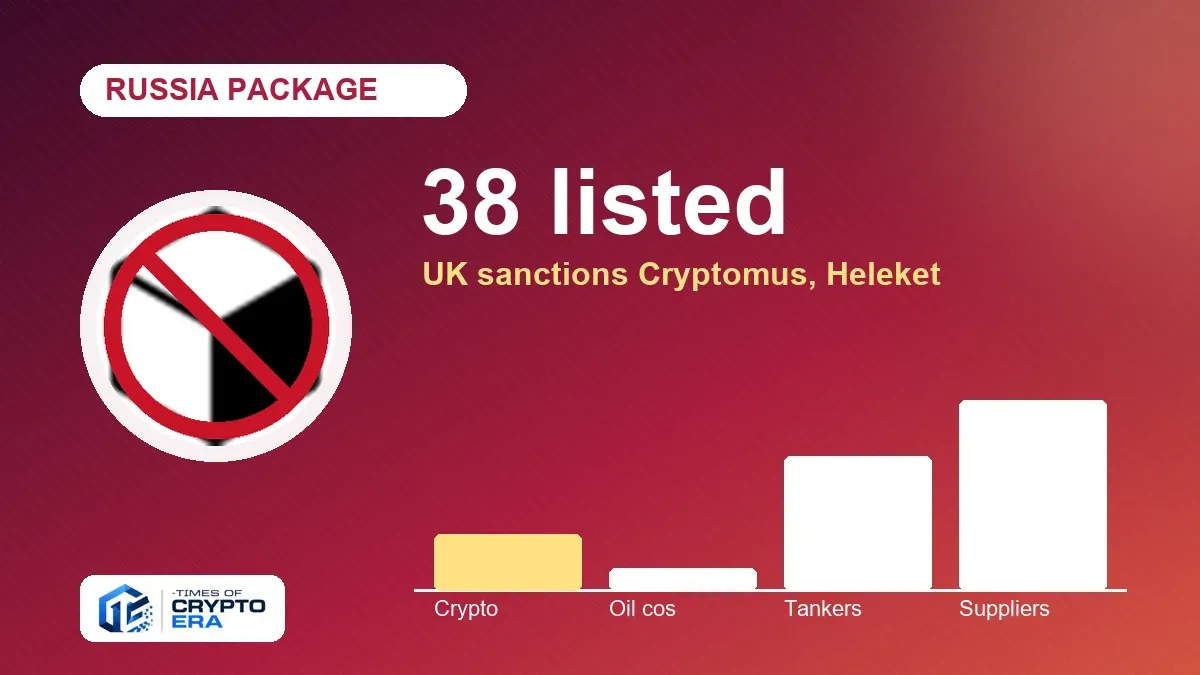
UK Sanctions Cryptomus, Heleket And TokenSpot In Russia Package
UK sanctions Cryptomus, Heleket and TokenSpot in a 38-entry Russia package on Oct 8. See what the official notice says and what Chainalysis found on the firms.
CFTC Crypto Rules: Who Could Lend To Retail Traders
The CFTC asked for comment on rules for retail crypto bought with loans. Here is who could lend, who would hold the coins and how losses would be handled.
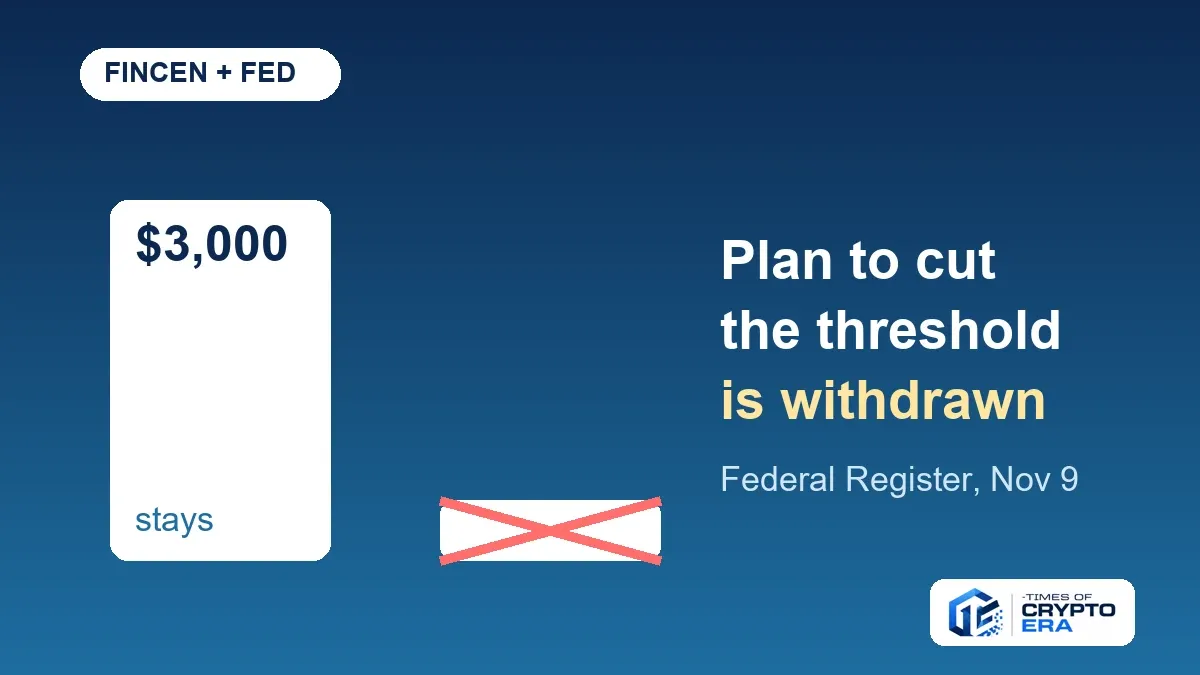
FinCEN Travel Rule Threshold Stays At $3,000 As $250 Plan Ends
FinCEN travel rule threshold stays at $3,000 after FinCEN and the Federal Reserve withdrew their 2020 plan to cut it to $250, a Federal Register notice says.
South Korea's FSC Unveils Roadmap to Put Stocks, Bonds and Funds Onchain
South Korea's Financial Services Commission published a three-phase roadmap to tokenize stocks, bonds and funds starting February 2027, confirmed directly via the regulator's own press release.